






A rimless toilet is more hygienic because it removes the one part of a traditional toilet that is hardest to clean: the enclosed channel around the rim. On a conventional pan, that hidden channel is where water hides bacteria and limescale, out of sight and out of reach of a brush. A rimless bowl has no such channel. The flush sweeps the entire bowl in a single open wave, and what little cleaning is needed takes a wipe rather than a scrub. Across the Tresani range, rimless is standard.
What rimless actually means
On a traditional toilet, the top edge of the bowl curls under to form a hollow rim. Water travels through that hollow and exits through a row of small holes to rinse the bowl. It works, but it creates a covered channel you can never properly see or reach. A rimless design does away with the hollow entirely. Instead, water is directed from an open outlet at the back and guided around the bowl by its shape.
Why the traditional rim is a problem
That enclosed rim channel is the least hygienic part of an ordinary toilet. It is dark, permanently damp and shielded from the brush, which makes it an ideal place for bacteria to settle and for limescale to build. The small rinse holes clog over time, so the flush gets weaker and less even just where you most want it to be strong. Much of what makes an old toilet feel grimy is happening inside that rim, where you cannot get to it.
How a rimless flush works better
Without the hollow, water is released in an open sweep that runs around the full circumference of the bowl. Because nothing is hidden, the flush reaches the whole surface rather than relying on a ring of holes. The result is a more complete rinse with each flush and far fewer dirty corners between cleans. It is a simpler idea that simply works better.
Easier, faster cleaning
The day-to-day benefit is the one you feel: cleaning a rimless bowl is quick. There is no awkward channel to poke a brush into and no hidden ledge collecting residue. A wipe around an open, smooth bowl does the job, which means less time, fewer harsh chemicals and a toilet that stays looking clean for longer. Our guide to cleaning a smart toilet covers the simple routine in full.
How it pairs with smart features
Rimless design is the foundation, and a smart toilet builds on it. The self-cleaning nozzle rinses itself before and after each use, so the washing function stays hygienic without any effort from you. Touchless, automatic flushing means you never have to touch a handle. And on most models a built-in perfume deodoriser leaves the air fresh after use. Together these features and the rimless bowl reinforce each other — there are fewer places for anything to linger, and most of the upkeep happens on its own. You can read more in our overview of smart toilet features and the hygiene benefits of bidet washing.
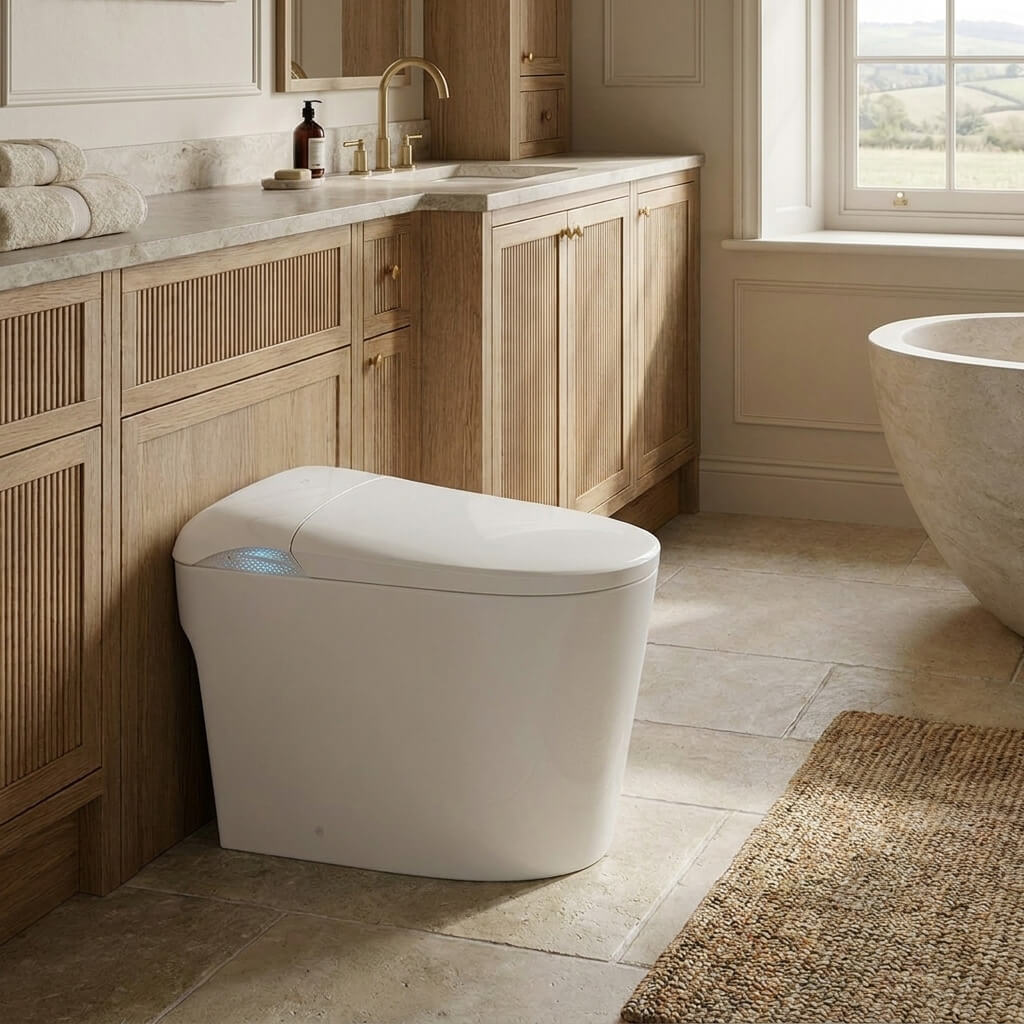
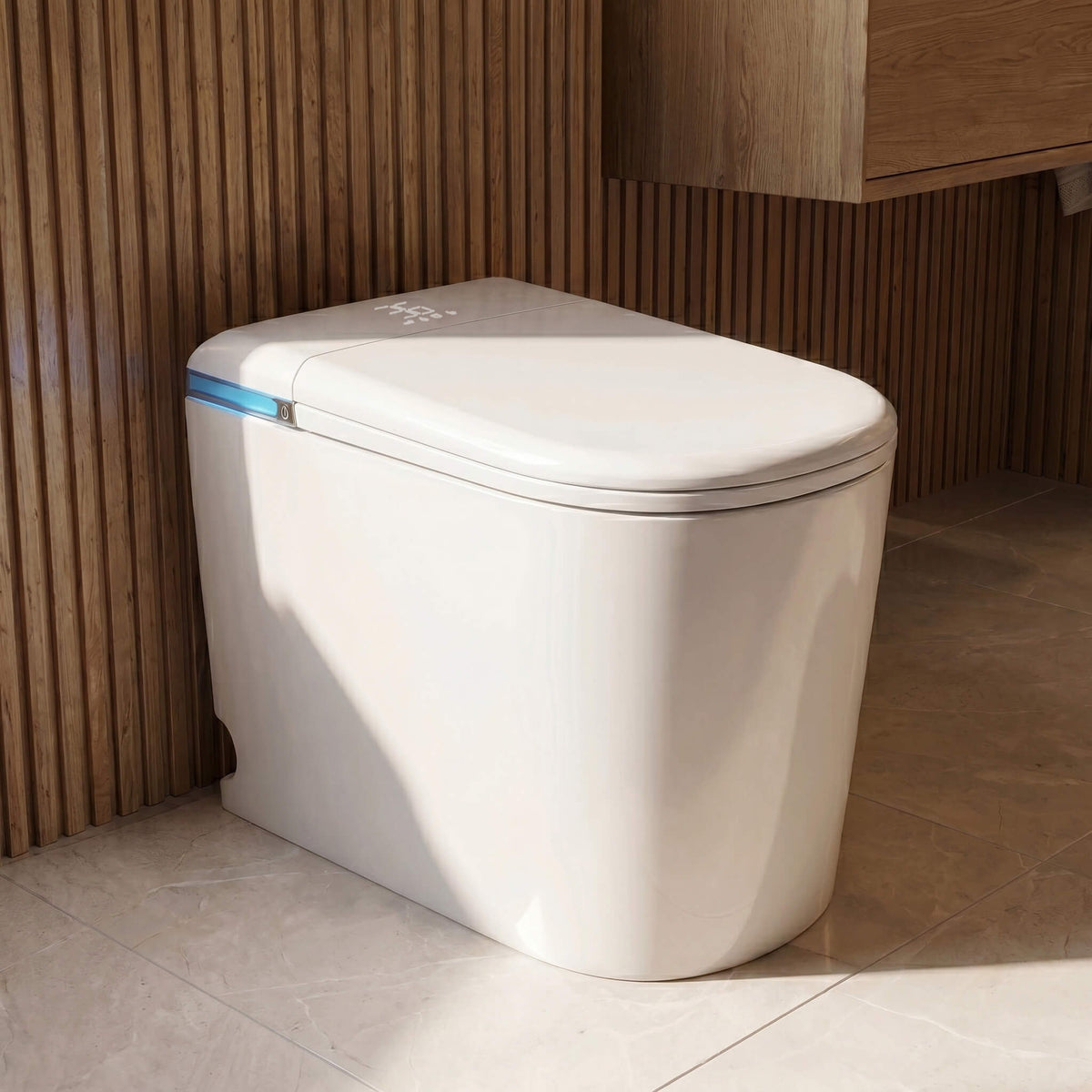
Every Tresani model comes with a rimless wash bowl as standard, paired with a self-cleaning nozzle and touchless flushing. It is a cleaner toilet that asks less of you to keep it that way. Browse the range to see the models.


Share: