

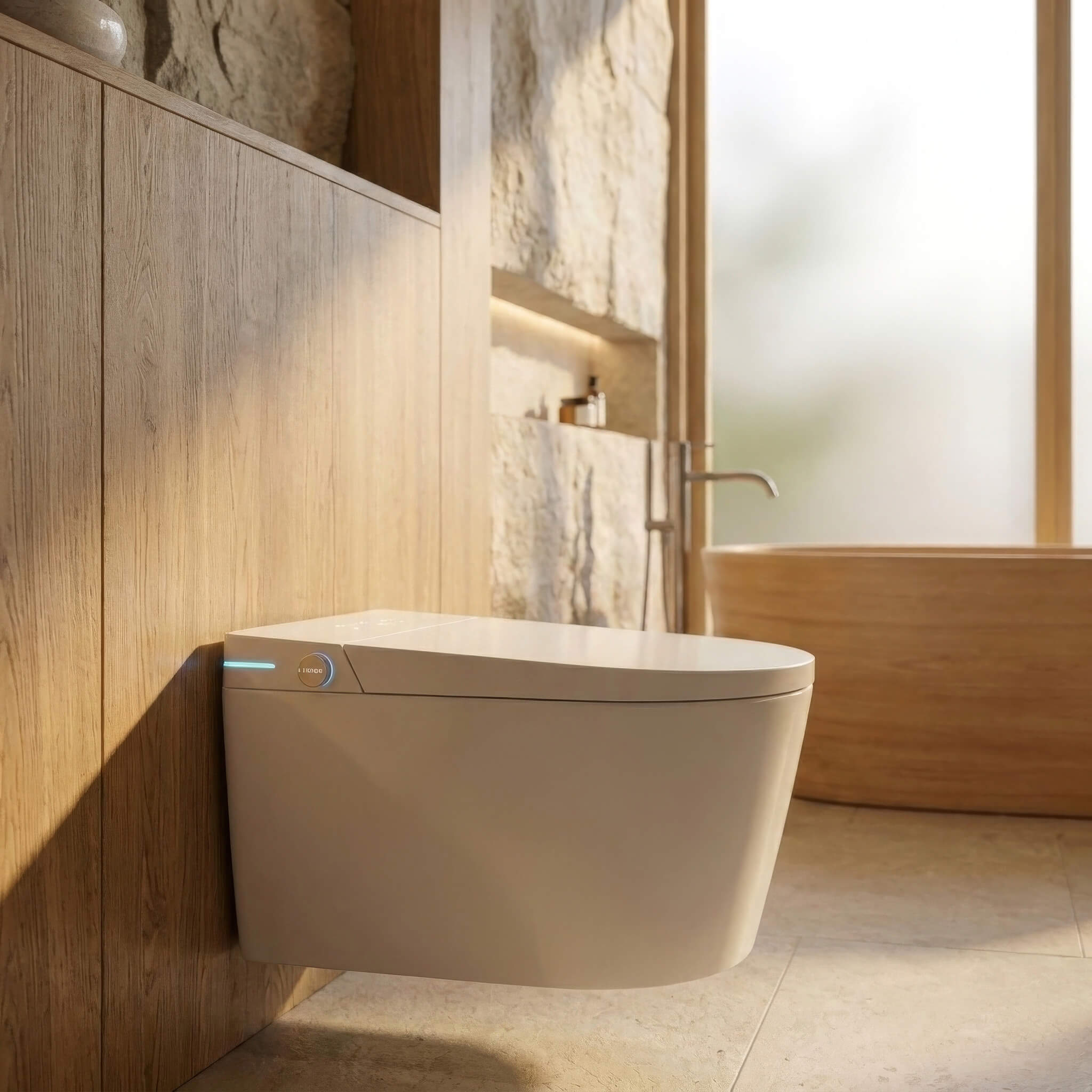
Washing with warm water is cleaner and gentler than paper alone, which is the simple reason much of the world prefers it. Paper smears rather than cleans, and it does so by dragging dry tissue across delicate skin. A bidet toilet replaces that with a stream of clean, warm water that rinses rather than wipes, then dries you with warm air. The result is a better standard of everyday cleanliness with less irritation, and on an integrated unit it comes wrapped in a bowl that is far more hygienic than the one it replaces.
Water versus paper
Consider how you would clean any other part of your body. You would rinse it with water, not rub it with dry tissue. The same logic applies here. A warm-water wash, adjustable in pressure and position, cleans more thoroughly and leaves you feeling genuinely fresh rather than merely finished. It is also gentler, because there is no repeated friction. And it is less wasteful: a household that washes uses a fraction of the paper it did before, which is better for your budget and for what goes down the drain.
Skin comfort and sensitive skin
For anyone with sensitive skin, the difference is immediate. Dry paper can leave skin sore, especially with frequent use, and warm water with a soft air dry avoids that altogether. You control the water temperature and pressure, so the wash can be as gentle as you need. Many people who have switched describe it less as a luxury and more as a relief they did not know they were missing.
The groups who feel it most
Some people notice the benefit more than others. New parents in the postnatal period often find a gentle warm-water wash far kinder than paper during recovery. Those with reduced mobility or limited reach gain both cleanliness and independence, a theme we explore in our piece on accessibility. People living with certain sensitive conditions frequently find water more comfortable than wiping. None of this is a treatment, and it is not medical advice; if you have a specific health concern, please consult a qualified professional. The point is simply that washing with water is, for many, more comfortable than the alternative.
The hygiene of the unit itself
A bidet toilet is not only about how you are cleaned; it is about how clean the fixture stays. The bowl is rimless, with no concealed channel under a traditional rim where bacteria and residue gather out of sight. Water sweeps the whole surface, so the bowl rinses properly with every flush, something we set out in full in the benefits of a rimless smart toilet. The washing nozzle runs its own self-cleaning cycle before and after each use, rinsing itself rather than relying on you. And a touchless, auto flush means the part most people touch reluctantly is one you need not touch at all. Together these turn the toilet from the least hygienic fixture in the room into one of the more reassuring ones.
An everyday kind of wellbeing
Wellbeing is an overused word, but here it means something modest and real: a warm seat instead of a cold one, a clean rinse instead of a rough wipe, a calmer start and end to the day. These are small comforts, repeated thousands of times a year, and they add up. If you want the full vocabulary of what these units do, our glossary of smart toilet features explained covers each one.
To see which model fits your bathroom and your priorities, our buying guide will point you in the right direction, and you can explore the complete range at your leisure.


Share: